How to trace ancestors with First World War records
Jump to
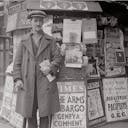
Almost every family has a connection to the Great War. With millions of digitised records available online, tracing a First World War ancestor is easier than ever. Simply follow these 5 simple steps.
Key Insights
- Start with family knowledge, then use digitised military records to uncover details of your ancestor's service and personal life.
- Combine service records, medal rolls, pension files and casualty records to build a fuller picture, even if some military records haven't survived.
- Delve deeper with historical newspapers, which can help you uncover personal stories, photographs and community connections.
Jump to
1. Start your research with family knowledge
Begin by gathering everything you already know. Ask relatives about family members who may have served in the First World War. Look for photographs, medals, letters, diaries or military memorabilia.
Even small details can make a difference, including:
- A full name
- An approximate birth year
- A regiment name
- A photograph in uniform
- A family story about military service
Once you've gathered your clues, it's a good idea to add them to your online family tree. This gives you a solid foundation and helps the search tools work more effectively.
2. Search digitised First World War service records online
With a few basic details, you can begin searching millions of military service records on family history websites like Findmypast, which holds the largest collection of British and Irish genealogy records online. As you search, narrow down your results by date and location.
Useful links
Searching for a name (and date of birth, if you have it) within Findmypast's entire 'Military, Armed Forces and Conflict' category will connect you with the following key First World War resources:
- British Army Service Records
- Medal Index Cards and medal rolls
- Royal Navy service records
- Royal Air Force records
- Pension records, including Widows' Pension Forms
These records can reveal far more than military service alone. You may discover your ancestor's physical description, home address, occupation, next of kin, promotions, injuries, awards and even personal conduct reports.
If your ancestor died during the First World War, you may also find them commemorated in military casualty records and soldiers' memorial collections.
3. Don't be discouraged by missing military records
While millions sit safely in The National Archives today, not every service record survived. A large proportion of British Army service records - including many covering the First World War - were destroyed by bombing during the Second World War.
What if I can't find a soldier's service record?
If you can't find a British Army soldier's service record, don't assume your search has reached a dead end (known to genealogists as a brick wall).
Alternative sources can help fill the gaps, including:
- Medal records
- Pension files
- Census records
- The 1939 Register
Often, combining several sources helps build a fuller picture than a single record ever could.
4. Explore your ancestor's regiment and wartime experience
Once you've identified a regiment, squadron or ship, you can delve deeper into your ancestor's story.
Military records tell you where someone served, but regimental histories, war diaries and contemporary accounts help explain what they experienced.
You may discover:
- The battles they fought in
- Where they were stationed
- Daily conditions they endured
- Significant moments in their unit's history
- The medals they won
Understanding the wider context helps transform names and dates into real-life experiences, bringing you closer to the realities your ancestor faced during wartime. You may discover the loved ones they left behind, the hardships they endured, the sacrifices they made, and the ways their communities remembered them.
5. Delve deeper with historical newspapers
Historical newspapers are one of the most powerful tools for family historians.
Local newspapers frequently reported on men and women serving in the armed forces, publishing photographs, casualty notices, letters home, promotions, awards and reports from the front.
A newspaper search could uncover:
- A photograph of your ancestor
- Details of medals or honours received
- Personal letters published in local papers
- Reports of homecoming celebrations
These discoveries add colour, personality and emotion to your family history.
Understand your family history in vivid detail
Tracing a First World War ancestor is about far more than dates, regiments and service numbers. It's about reconnecting with the people behind the records - the thousands of families whose lives were shaped forever by war.
By combining military records, newspapers, census returns and family memories, you can delve deeper into your ancestors' experiences and uncover the human stories hidden within the archives.
Piece by piece, these records can reveal the personal impact of the First World War, helping you understand not only what your ancestors did, but what they lived through – and how their experiences shaped the generations that followed.
About the author

Researcher
Published on Mon, 8 June 2026.
Share this article
Find your family in billions of online military records
Search billions of military records for free
Discover original records and transcripts of your ancestors’ documents
Delve into the details their lives, from key dates to addresses, occupations and more
Who are you looking for?